Have you ever felt like you’re just throwing good money after bad when it comes to rewarding your customers? It’s a common feeling. You want to build loyalty, but the programs you try don’t seem to stick.
Or maybe they work, but you can’t tell if they’re truly paying for themselves. It’s frustrating when your efforts don’t bring the results you hope for. Let’s dive into making points campaigns work hard for you.
What are Points Campaigns and Why They Matter
Points campaigns are a way businesses reward customers for their actions. Think of it as a thank you. Customers earn points for things like making purchases, referring friends, or leaving reviews.
They can then trade these points for discounts or special items. These programs are super important for keeping customers coming back. They make people feel valued.
A well-planned points campaign can really boost sales. It also helps build a stronger connection with your brand. It’s about more than just transactions; it’s about relationships.
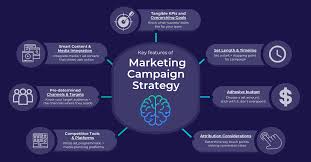
A points campaign strategy is a plan for how a business will use a points-based reward system to encourage specific customer behaviors, like purchases or engagement. Effective strategies focus on making the program simple, valuable, and easy to understand for customers, aiming to increase loyalty, sales, and brand advocacy.
Understanding the Core of a Points Campaign
At its heart, a points campaign is a system. This system links customer actions to rewards. Every purchase, every share, every review is a chance to earn.
These points are like digital currency. They build up over time. Customers look forward to spending them.
The goal is to make earning and redeeming simple. If it’s too hard, people won’t bother. The rewards must also feel worth it.
A small discount for a lot of effort is not a good deal. So, the mechanics need to be clear. The value needs to be real.
Why do they work? Humans love earning things. It taps into our desire for achievement.
It also gives us a sense of control. We can choose how to spend our points. This makes us feel more invested.
It’s like a game for some people. They enjoy tracking their progress. They aim for bigger rewards.
This keeps them engaged with your brand longer. It’s a smart way to guide customer behavior. You can encourage them to buy more.
You can get them to try new products. You can even ask them for feedback.
My Own Brush with a “Meh” Points Program
I remember signing up for a coffee shop’s loyalty card. It was a simple punch card. Buy nine coffees, get the tenth free.
Easy enough, right? For the first few weeks, I was diligent. I’d whip it out every time.
Then, one busy morning, I forgot it at home. The barista looked at me, and I felt a pang of guilt. I missed out on a punch.
Another time, I ordered online. The app said I had no points. Turns out, online orders didn’t count unless I manually added them.
That felt like a hassle. The “free” coffee suddenly seemed far away. I stopped paying attention.
The card ended up in a drawer. This taught me a big lesson. Simplicity is king.
Customers need it to be easy. Otherwise, the best intentions fall flat.
Key Ingredients for a Winning Points Program
Simplicity: Make earning and redeeming points very clear. Customers should understand it quickly. No complex rules or hidden steps.
Think easy to grasp from day one.
Value: The rewards must be desirable. Customers should feel they are getting something worthwhile. This could be discounts, freebies, or exclusive access.
The perceived value matters most.
Accessibility: Customers should be able to track their points easily. This could be via an app, website, or even a physical card. They need to know their balance anytime.
Engagement: Points programs should do more than just reward purchases. They can encourage reviews, shares, and referrals. This builds a stronger community around your brand.
Designing Your Points Campaign: The Blueprint
Creating a successful points campaign starts with a clear goal. What do you want to achieve? More sales?
Better customer retention? More website visits? Knowing your goal helps shape the entire strategy.
Next, understand your customers. What motivates them? What kind of rewards would they love?
This research is crucial. You don’t want to offer something nobody wants. Think about what makes sense for your business too.
What actions do you want to encourage? Purchases are common. But maybe you want more social shares.
Or perhaps you want to boost sign-ups for your newsletter. You can even reward reviews.
The structure of your points system is important. How many points does one dollar earn? What’s the redemption rate?
For example, 100 points might equal a $1 discount. Or maybe it’s 10 points for $1. Keep it simple and easy to calculate.
Avoid tiny fractions of points. That just confuses people. Consider tiers.
Can customers reach higher levels for better perks? This adds a gamification element. It encourages more engagement over time.
Think about the lifespan of points. Do they expire? If so, give customers plenty of notice.
Expiration can sometimes feel like a trick. It can upset loyal customers.
Choosing Your Reward Structure
- Discount-Based: Points translate directly into money off future purchases. This is very common and easy to understand.
- Product-Based: Customers redeem points for specific free products or services. This can highlight popular items or new offerings.
- Tiered Rewards: Customers unlock better benefits as they accumulate more points or reach higher membership levels.
- Experiential Rewards: Offer unique experiences like early access to sales, special events, or personalized consultations.
Launching Your Campaign: Spreading the Word
Once your points program is ready, it’s time to tell everyone. Your launch needs to be exciting. Use multiple channels.
Email marketing is key. Send out announcements to your existing customer list. Social media is also vital.
Create engaging posts about the new program. Highlight the benefits clearly. Train your staff.
They are on the front lines. They need to understand the program well. They should be able to explain it to customers.
They can encourage sign-ups. Think about in-store signage. Posters and flyers can catch attention.
Website banners are also helpful. Make it easy for people to find out about it.
Consider a launch bonus. Offer extra points for signing up early. This creates urgency.
It encourages immediate action. For example, “Sign up this week and get 50 bonus points!” This can really drive initial adoption. Make the sign-up process smooth.
If it takes too long, people will drop off. A few simple questions are usually enough. Ask for their name and email.
Maybe a phone number if needed. Ensure data privacy is respected. Transparency here builds trust.
People are more likely to join if they know their information is safe.
Launch Day Checklist
- Announce Clearly: Use email, social media, and website banners.
- Highlight Benefits: Explain what customers gain from joining.
- Staff Training: Ensure your team can explain and promote the program.
- Launch Bonus: Offer an incentive for early sign-ups.
- Easy Sign-Up: Keep the registration process quick and simple.
Optimizing for Maximum Engagement
A points campaign isn’t “set it and forget it.” You need to watch how it’s doing. Track your key metrics. How many people are joining?
How often are they earning points? How many are redeeming? Are people reaching higher tiers?
Look at customer feedback. Are there common questions or complaints? This data tells you what’s working and what isn’t.
You might find that certain rewards are more popular than others. Or maybe customers are struggling to earn enough points for a desired reward. You can then adjust your campaign.
Consider running special promotions. Double points days can boost sales. Offer bonus points for specific product purchases.
Or for buying during off-peak hours. This can help smooth out demand. Partnering with other businesses can also be effective.
Imagine offering points that can be used at a complementary store. This expands the appeal of your program. It also introduces your brand to new customers.
Think about gamification elements. Leaderboards can inspire friendly competition. Surprise bonuses can delight customers.
These small touches make the program more exciting. They keep customers coming back for more interaction.
Boost Engagement with These Tactics
- Limited-Time Offers: Create urgency with bonus points for a short period.
- Product-Specific Bonuses: Reward customers for trying new or high-margin items.
- Referral Rewards: Incentivize customers to bring in new business.
- Surprise & Delight: Occasionally award unexpected bonus points to active members.
Common Pitfalls to Avoid
One big mistake is making the program too complicated. If customers need a flowchart to understand it, they’ll leave. Another issue is offering low-value rewards.
If it takes hundreds of dollars to earn a tiny discount, it’s not motivating. Think about it from the customer’s perspective. Does it feel like a genuine thank you?
Or does it feel like a cheap trick? Poor communication is also a killer. If customers don’t know about the program, or forget about it, it won’t work.
Regular reminders are important. Ensure your staff are well-informed.
Another common trap is not tracking results. If you don’t measure your campaign’s success, you can’t improve it. What are the costs versus the benefits?
Are you seeing a return on your investment? Also, make sure your technology can handle it. If your point tracking system is buggy or slow, it will frustrate everyone.
Consider scalability. As your business grows, can your program grow with it? Test everything before you launch.
And keep testing and tweaking it. It’s an ongoing process. A stagnant program will eventually lose its luster.
Mistake vs. Solution
Mistake: Complicated Rules
Solution: Keep it simple. Easy to understand.
Mistake: Low-Value Rewards
Solution: Offer desirable items. Make points feel earned.
Mistake: Poor Communication
Solution: Regular reminders. Clear explanations.
Mistake: No Tracking
Solution: Monitor metrics. Analyze ROI.
The Role of Technology in Points Campaigns
Technology plays a huge role today. Many businesses use loyalty program software. These platforms help manage points, customers, and rewards.
They can automate emails. They can track spending habits. Some integrate with point-of-sale systems.
Others offer customer-facing apps. These apps let customers check their points balance. They can see available rewards.
They can even redeem points directly. This convenience is a big draw. It keeps the program top-of-mind for customers.
Choosing the right technology depends on your business size and needs. For small businesses, a simple spreadsheet or a basic loyalty app might suffice. Larger companies might need more robust CRM integrations.
Look for systems that offer good reporting. You need to see your campaign’s performance clearly. Features like segmentation are also valuable.
You can send targeted offers to different customer groups. For example, offer bonus points on items a customer frequently buys. This makes the program feel personal.
It increases its effectiveness. Always consider data security. Your customer data is sensitive.
Technology Features to Look For
- Point Tracking: Accurate and automatic point accrual.
- Reward Catalog: Easy way to display and redeem rewards.
- Customer Portal/App: Allows customers to view their status.
- Email Automation: For welcome messages, point updates, and special offers.
- Analytics & Reporting: To measure campaign success.
- POS Integration: Seamless connection with sales systems.
Measuring Success: What Does “Good” Look Like?
How do you know if your points campaign is actually working? You need to look at the numbers. Key performance indicators (KPIs) are your guide.
First, look at participation rates. How many of your customers are enrolled? A low rate might mean the program isn’t attractive or visible.
Next, check redemption rates. Are people actually using their points? A low redemption rate could mean the rewards aren’t appealing.
Or that earning points is too hard. A high redemption rate is usually good. It means the program is active.
Compare customer spending. Do members of your points program spend more? Do they buy more often?
Do they spend more per transaction? This is a strong indicator of success. Look at customer retention rates.
Are loyalty program members staying with your brand longer? Are they less likely to churn? Another metric is customer lifetime value (CLV).
Members of a well-run points program should have a higher CLV. Finally, consider your return on investment (ROI). Calculate the cost of the program (rewards, technology, marketing).
Compare this to the increased revenue it generates. A positive ROI means the campaign is profitable.
Key Metrics for Success
| Metric | What It Shows |
| Participation Rate | How many customers join the program. |
| Redemption Rate | How often points are used for rewards. |
| Average Order Value (AOV) | Spending difference between members and non-members. |
| Customer Retention | How long members stay loyal to your brand. |
| Customer Lifetime Value (CLV) | The total revenue a customer generates over time. |
| Return on Investment (ROI) | Profitability of the points campaign. |
The Future of Points Campaigns
The world of loyalty programs is always changing. We’re seeing more personalization. AI can now help tailor offers to individual customers.
This makes programs feel less generic. More businesses are using gamification. This makes earning points more fun.
Think about surprise challenges or badges. Some programs are even integrating with blockchain. This can offer more transparency.
It can also create new ways to reward. Experiential rewards are also gaining traction. People want unique experiences.
They want things they can’t buy easily. A points campaign can offer this.
Sustainability is also becoming a factor. Some companies allow customers to donate their points. They can donate to environmental charities or causes.
This appeals to socially conscious consumers. The key moving forward is agility. Businesses need to be ready to adapt.
Customer expectations are always evolving. What works today might not work tomorrow. Staying connected to your customers is vital.
Listen to their feedback. Watch market trends. The most successful points campaigns will be those that feel truly collaborative.
They will feel like a partnership between the business and its customers. This builds lasting loyalty.
Real-World Scenarios: Points in Action
Consider a clothing retailer. They might offer points for every dollar spent. Bonus points could be given for buying items from a new collection.
Customers could redeem points for discounts on future purchases. Or they could get early access to sales. This encourages repeat business.
It also helps move new inventory. Another example is a tech company. They could award points for product registration.
They might also give points for referring friends who buy a product. Points could be redeemed for accessories or software upgrades. This builds brand advocacy.
It also drives sales through word-of-mouth.
A local bakery could use a simple system. Ten visits earn a free pastry. They could offer double points on birthdays.
Or bonus points for trying a seasonal special. This encourages regular visits. It also helps promote limited-time offers.
The key is to make it fit the business. A grocery store might offer points on specific brands. Or for buying produce.
These points could lead to bigger discounts at checkout. This influences purchasing decisions. It also helps manage inventory.
Each business can tailor the approach. The core idea of rewarding loyalty remains constant.
Scenario Snapshot: Coffee Shop Chain
- Earning: 10 points for every $1 spent.
- Redemption: 500 points for a free coffee, 1000 points for a pastry.
- Bonus: Double points on Tuesdays.
- Referral: 200 points for referring a new customer who makes a purchase.
- Tiered: “Gold” members get a free drink on their birthday and early access to new blends.
What This Means For Your Business
For your business, a well-executed points campaign strategy means happier customers. It means customers who feel appreciated. They are more likely to choose you over a competitor.
It also means more predictable revenue. Loyalty programs encourage repeat purchases. This creates a stable income stream.
It can also be a powerful tool for data collection. You learn what your customers like. You learn their buying habits.
This information is gold. You can use it to improve your products and services. It helps you make better business decisions.
When is it normal for a points campaign to be successful? It’s normal when you see increased sales from your loyalty members. It’s normal when customers are actively redeeming their points.
It’s normal when you get positive feedback about the program. When should you worry? You should worry if enrollment is very low.
You should worry if nobody is redeeming points. You should worry if the cost of the program outweighs the benefits. If your system is constantly glitching, that’s a red flag.
It’s important to have realistic expectations. It takes time to build momentum. Don’t expect overnight miracles.
But consistent effort pays off.
Quick Checks for Your Program
Are customers joining easily? If not, simplify the sign-up.
Do customers understand the rewards? If not, clarify the value.
Are points being redeemed? If not, review reward appeal.
Is the program profitable? Track costs vs. revenue.
Quick Tips for Campaign Success
Start small and test. You don’t need to launch a massive, complex program right away. Begin with a simple offer.
See how customers respond. Gather feedback. Then, build on that.
Make your communication clear and consistent. Don’t just announce it once. Remind customers about their points.
Tell them about new rewards. Highlight special promotions. Keep it relevant to your brand.
The rewards should make sense for what you sell. Don’t offer a free car wash if you sell software. Finally, empower your customer service team.
They are your program’s ambassadors.
Actionable Tips
- Test a simple version first.
- Communicate regularly about the program.
- Ensure rewards align with your brand.
- Train your staff thoroughly.
- Ask for customer feedback often.
Frequently Asked Questions About Points Campaigns
How do I choose the right points system for my business?
Consider your business type, customer base, and goals. A simple purchase-based system works for many. For businesses with diverse actions, a multi-action system is better.
Always aim for simplicity and clear value for the customer.
How many points should I give per dollar spent?
There’s no single answer. It depends on your profit margins and desired reward value. A common starting point is 1-5 points per dollar.
The key is that the reward feels achievable and valuable to your customers.
Should my points expire?
This is debated. Expiration can encourage redemption and reduce liability. However, it can also frustrate customers.
If points expire, give clear notice and ample time. Many businesses opt for no expiration to build goodwill.
How can I measure the ROI of my points program?
Track the cost of rewards and program management. Compare this to the increase in sales, customer retention, and average order value from loyalty members. If the gains exceed the costs, your ROI is positive.
What are some good rewards for a points program?
Popular rewards include discounts on future purchases, free products or services, exclusive early access to sales, or special experiences. The best rewards are those your customers truly desire.
How do I encourage customers to redeem their points?
Make redemption easy through an app or website. Offer tiered rewards that are aspirational. Send reminders about point balances and available rewards.
Highlight popular redemption options.
Putting It All Together: Your Path to Loyalty
Building a successful points campaign strategy is an ongoing journey. It requires careful planning, clear execution, and a commitment to your customers. By focusing on simplicity, value, and consistent communication, you can create a program that customers love.
This, in turn, drives sales and builds lasting loyalty for your business. Keep testing, keep learning, and always put your customers first.