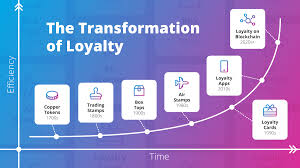
This new approach blends everyday rewards with cutting-edge technology. It promises a more transparent and flexible system for earning and using your points. Let’s break down what this means for you.
Loyalty points crypto refers to reward programs that use blockchain technology to manage and issue points or tokens. These digital assets can often be traded, redeemed for a wider range of goods and services, or even used in decentralized applications, offering more flexibility than traditional loyalty programs.
What Is Loyalty Points Crypto?
Imagine your favorite coffee shop or airline. They give you points for buying things. You collect these points to get free coffee or a flight upgrade.
That’s a loyalty program. Now, think about adding a special kind of digital coin to this system. That coin is built on blockchain.
Blockchain is like a super secure digital ledger. Every transaction is recorded and shared. This makes it hard to cheat the system.
Loyalty points crypto uses this tech to create reward tokens. These tokens act like your points but with extra power.
Instead of just earning points for one store, your crypto points might work in many places. They could be more like a mini-currency. This makes them feel more valuable.
You can often see exactly how many you have and where they came from. This is a big change.
Traditional points can be hard to track. They might expire without you knowing. They usually only work with the company that gave them to you.
Crypto points aim to fix this. They offer a clearer view of your rewards. They also open up new ways to use them.
The goal is to make loyalty programs better for everyone. Companies can manage rewards more easily. Customers get more freedom and control.
It’s about making rewards feel more like a tangible asset. Something you can truly own and use.
My Own Brush with Reward Overload
I remember a time when I was deep into collecting airline miles and hotel points. It felt like a full-time job. I had apps for this, cards for that, and a spreadsheet to track it all.
One evening, I realized I had enough points for a free flight, but only if I flew on a Tuesday in February. And it had to be from a specific airport that was a two-hour drive away.
I felt a pang of annoyance. All that effort, and the reward was so limited. It wasn’t the freedom I’d imagined.
I started wondering if there was a smarter way. A way where the rewards felt more like a direct benefit, not a complex puzzle. That’s when the idea of loyalty points crypto really started to click for me.
The thought of rewards that weren’t tied down seemed so much more appealing.
What Makes Crypto Loyalty Different?
Transparency: Every reward token’s movement is on the blockchain. You can see it. This builds trust.
Ownership: You truly own these tokens. They aren’t just a company’s internal ledger entry.
Flexibility: Many crypto points can be traded or used across different partners. This is a huge plus.
Programmability: They can be used in smart contracts. This allows for complex reward rules automatically.
How Does It Work Under the Hood?
Let’s get a little technical, but keep it simple. Imagine a shared notebook. Everyone involved has a copy of this notebook.
When someone earns a reward point (which is now a digital token), it’s written down in everyone’s notebook. This is the blockchain.
Each reward token is unique. It has its own digital identity. This identity is managed by a smart contract.
A smart contract is like a vending machine. You put in your tokens (like money), and it gives you your reward (like a snack). All automatically.
Companies create these reward tokens on a blockchain. They set the rules for how they are earned and used. For example, a company might say: “Buy a coffee, get 1 token.” Or, “Spend $50, get 5 tokens.” These tokens are then sent to your digital wallet.
A digital wallet is like your digital purse. It holds all your crypto tokens. When you want to use your tokens, you send them from your wallet to the company’s smart contract.
The contract checks if you have enough tokens. If you do, it sends you the item or service you wanted.
This process is fast and secure. Because it’s on the blockchain, it’s very hard to fake or steal tokens. The history of every token is saved forever.
This means no one can claim they earned tokens they didn’t. It creates a fair system.
The use of blockchain also allows for interoperability. This means tokens can potentially be used with other companies. A company might partner with another.
Then, their reward tokens could be exchanged or used together. This expands what you can do with your rewards.
Think about it this way: your coffee token could maybe buy you a small discount at a book store. This connection is managed by the smart contract. It makes your rewards much more useful than points stuck in one program.
Key Blockchain Terms Simplified
Blockchain: A shared, digital record book. It’s secure and public.
Token: A digital asset on a blockchain. It represents value or a right.
Smart Contract: A computer program that runs on the blockchain. It automates agreements.
Digital Wallet: A digital tool to store, send, and receive crypto tokens.
Real-Life Scenarios Where This Shines
Imagine a large retail chain. They want to reward loyal shoppers. Instead of issuing their own clunky points system, they create a digital token.
Let’s call it “RetailCoin.” When you spend money, you get RetailCoin in your digital wallet. You can use RetailCoin for discounts in any of their stores.
But what if RetailCoin could be used elsewhere? The retail chain partners with a local cafe. Now, you can use your RetailCoin to buy a coffee there.
The cafe gets new customers. The retail chain increases customer loyalty. And you get more options for your rewards.
This is the power of crypto loyalty.
Another example: a travel platform. They issue “TravelTokens.” You earn them by booking flights and hotels. You can use these tokens for upgrades, lounge access, or even gift cards to travel gear shops.
The platform might then partner with a luggage company. Your TravelTokens could then get you a discount on a new suitcase.
This ecosystem approach is powerful. It creates a network effect. The more partners a token has, the more valuable it becomes to users.
It’s a win-win-win for the company, the partner, and the customer. It moves rewards from being a simple discount to being a more versatile asset.
Consider the gaming industry. Game developers often give in-game currency or items. With loyalty points crypto, they could issue tokens.
These tokens could be earned by playing or achieving goals. Players could then use these tokens to buy special items in the game. Or, they might trade them with other players.
This adds a new layer of engagement. It makes player achievements feel more significant. It can also create secondary markets where players trade their earned tokens.
This is especially interesting for games that want to build a strong community around their ecosystem.
Examples of Crypto Loyalty in Action
Retail: Earn tokens for purchases, redeem for discounts or exclusive products. Partner tokens can be used at other participating businesses.
Travel: Collect tokens for booking flights/hotels, use for upgrades, lounge access, or travel gear. Trade with partners for other services.
Gaming: Earn tokens for in-game achievements. Use to buy items, cosmetics, or trade with other players for real-world value.
Subscriptions: Get tokens for paying monthly fees. Use for extended access, premium features, or partner discounts.
My Experience with Tokenized Rewards
I recently signed up for a new streaming service. They offered a unique perk. For every month I subscribed, I got a special “StreamCoin” token.
At first, I thought, “Oh great, another point system.” But then I explored. I found out I could use StreamCoin to unlock old movies they didn’t normally have in their catalog.
That was cool. But then came the real surprise. They announced a partnership with a local cinema.
I could trade my StreamCoin for movie tickets to see films on the big screen. It felt like magic. My monthly subscription fee was suddenly giving me a night out at the movies.
It was a tangible benefit that felt much more significant than a small discount on my next bill. It truly felt like owning a piece of the reward.
The Benefits for Consumers
As a consumer, the biggest win is flexibility. Your earned rewards aren’t trapped. You can use them where you want, within the program’s network.
This means your loyalty is rewarded more broadly. You get more value for your spending.
Another big benefit is transparency. You can see exactly how many tokens you have. You can see where they came from.
This builds trust. You’re not left guessing about expiration dates or hidden fees. The blockchain makes it all clear.
Ownership is a key concept here. When you earn a crypto token, you own it. It’s in your digital wallet.
It’s not just a number on a company’s server. This feeling of ownership is empowering. It makes the rewards feel more valuable and secure.
You might also find that these tokens can be traded. Some programs allow you to exchange your loyalty tokens for other cryptocurrencies or even fiat money. This gives your rewards a direct financial value.
It’s a step beyond simple discounts.
Finally, enhanced engagement is a big plus. When rewards are more flexible and valuable, you’re more likely to engage with the brand. You feel more connected to the ecosystem.
This leads to a better overall experience. You feel like your loyalty is truly appreciated.
Consumer Wins at a Glance
More Choice: Use rewards across different partners.
Clearer Tracking: See your rewards on the blockchain.
True Ownership: Your tokens are yours to keep.
Potential Value: Earn tokens that can be traded or sold.
Deeper Connection: Feel more valued by brands.
The Benefits for Businesses
Companies also gain a lot from using loyalty points crypto. For starters, it can be more cost-effective. Managing traditional loyalty programs can be expensive.
Blockchain technology can automate many processes. This lowers operational costs.
It also offers better data and insights. The transparent nature of blockchain means companies can see how customers are using their rewards. This helps them understand consumer behavior better.
They can then tailor offers more effectively.
Building customer loyalty is easier. When rewards are more attractive, customers stay engaged. They are less likely to switch to competitors.
This leads to higher customer retention rates.
Furthermore, it can drive new customer acquisition. If a loyalty token has broad utility, it attracts people who want those benefits. Partnering with other businesses expands the reach of the loyalty program.
This brings in new audiences.
Blockchain programs can also offer unique marketing opportunities. Creating a digital asset like a token can be a buzzworthy feature. It can attract tech-savvy consumers.
It positions the brand as innovative and forward-thinking.
Security is another major plus. Traditional reward databases can be targets for hackers. Blockchain’s decentralized nature makes it much harder to compromise.
This protects both the company and its customers.
Finally, it fosters a stronger community. When users can interact with tokens, trade them, or use them in unique ways, they feel more connected to the brand and to each other. This builds a loyal user base that is invested in the ecosystem’s success.
Business Advantages
Cost Savings: Automated processes reduce expenses.
Better Data: Understand customer usage patterns.
Increased Loyalty: Higher customer retention.
New Customers: Attract users with valuable tokens.
Brand Seen as innovative and modern.
Enhanced Security: Blockchain is highly secure.
Potential Downsides and Things to Watch Out For
While the future looks bright, it’s not without its challenges. One of the biggest hurdles is user adoption. Many people are still unfamiliar with cryptocurrency and blockchain.
Explaining how to set up a digital wallet or use tokens can be complex.
Volatility is another concern, especially if the loyalty tokens are tied to broader cryptocurrency markets. While many loyalty tokens are designed to be stable, they could still be affected by market swings. This could make their value unpredictable.
Regulatory uncertainty is also a factor. The rules around cryptocurrencies and digital assets are still developing. This could impact how loyalty tokens are managed and used in the future.
Companies and users need to stay aware of these changes.
Technical glitches can happen. While blockchain is secure, the smart contracts that manage tokens can have bugs. This could lead to issues with earning or redeeming rewards.
Rigorous testing is essential, but not foolproof.
Environmental concerns are sometimes raised. Some blockchains use a lot of energy. However, newer blockchains and “Layer 2” solutions are becoming more energy-efficient.
Many loyalty token projects are opting for these greener technologies.
It’s also important to understand that not all “crypto loyalty” programs are the same. Some might be more integrated with blockchain than others. Always do your research.
Make sure you understand the specifics of any program you join. Look for reputable companies and clear terms.
Challenges to Consider
Complexity: New users may find it hard to understand.
Value Fluctuation: Token value might change.
Legal Issues: Regulations are still evolving.
Tech Problems: Bugs in smart contracts can occur.
Energy Use: Some blockchains are not eco-friendly.
Program Differences: Not all programs are equally robust.
Comparing Traditional vs. Crypto Loyalty Points
Let’s put them side-by-side. Traditional points are simple. They are easy to understand for most people.
You earn them, you spend them with one company. This is their strength. But their weakness is being locked in.
You can’t easily move them or use them elsewhere.
Crypto loyalty points, or tokens, offer more. They are built on a secure, transparent system. They give you more control.
You can often use them across many partners. They might even have real-world financial value. This is their major strength.
However, crypto rewards can be more complex. People need to learn about digital wallets and blockchain. Their value might fluctuate.
They are also subject to new rules. This is their main challenge.
Think of it like this: Traditional points are like store credit. Crypto points are more like digital cash that can be used in specific shops. The digital cash is more versatile but requires a bit more knowledge to manage.
The trend is moving towards more flexible and valuable rewards. As technology improves and people become more comfortable with digital assets, crypto loyalty is likely to grow. It offers a glimpse into the future of how we will be rewarded for our choices.
Quick Comparison: Traditional vs. Crypto Loyalty
Traditional:
- Ease of Use: Very high.
- Flexibility: Low. Usually company-specific.
- Transparency: Moderate. Often managed internally.
- Ownership: Low. Points are company assets.
- Value: Primarily discounts within one program.
Crypto Loyalty:
- Ease of Use: Moderate. Requires some learning.
- Flexibility: High. Can be used across partners.
- Transparency: Very high. Recorded on blockchain.
- Ownership: High. Tokens are digital assets.
- Value: Can be discounts, trading, or financial asset.
What Does This Mean For You?
If you’re a savvy shopper or a loyal customer, this is exciting. It means your loyalty could be rewarded in ways you haven’t imagined. You might find yourself earning tokens that unlock more than just a discount.
You could gain access to exclusive experiences or even build a small digital asset over time.
It’s important to approach these programs with an open mind but also with caution. Do your homework. Understand how the token works.
What are the rules for earning and redeeming? Who are the partners? Is the company reputable?
If you’re new to crypto, this could be your first step. Many loyalty programs are designed to be user-friendly. They abstract away much of the blockchain complexity.
You might just need a simple digital wallet. The rewards themselves are the focus.
When it’s normal to earn a token that you can use at your favorite coffee shop, your bookstore, or even for a discount on your next flight, that’s a sign of progress. It means your everyday spending is building value in a more interconnected way.
When should you worry? If a program seems too good to be true, it probably is. If they ask for personal financial information beyond what’s normal for a rewards program, be careful.
Always prioritize security. Make sure your digital wallet is protected.
Simple checks include looking for official company announcements about their crypto loyalty program. Read reviews. Understand the terms and conditions.
See if there’s a clear roadmap for the token’s future use. These steps help ensure you’re joining a legitimate and beneficial program.
Quick Tips for Navigating Crypto Loyalty
Start Small: If you’re new, join a program from a brand you already trust and use often. See how it works for you.
Learn the Basics: Understand what a digital wallet is. Learn how to keep your private keys safe (if applicable).
Read the Fine Print: Always check the terms and conditions of any crypto loyalty program.
Check Partner Networks: The more partners a program has, the more useful its tokens usually are.
Security First: Protect your digital wallet and any credentials. Never share your private keys.
Stay Updated: The crypto space changes fast. Keep an eye on news related to the tokens you hold.
Frequently Asked Questions About Crypto Loyalty Points
What’s the main difference between regular loyalty points and crypto loyalty points?
Traditional points are usually managed by the company internally and can only be used with them. Crypto loyalty points, or tokens, use blockchain technology. This makes them more transparent, secure, and often usable across different partner businesses. You also have true ownership of crypto tokens.
Do I need to be a crypto expert to use loyalty points crypto?
No, not necessarily. Many programs are designed to be user-friendly. They handle much of the technical blockchain aspect for you. You might need a simple digital wallet, but the program will often guide you through setup. The focus is on the rewards, not the underlying tech.
Can I lose my loyalty points crypto if the company goes out of business?
If the loyalty points are truly tokens on a public blockchain, and you hold them in your own wallet, they are yours. The company’s failure might affect partnerships or future earning opportunities, but your existing tokens should remain accessible as long as the blockchain is active. Always confirm ownership specifics with the program.
Are loyalty points crypto safe to use?
When managed by reputable companies and built on secure blockchains, they can be safe. The blockchain itself is very secure. However, like all digital assets, you need to practice good security habits. This includes protecting your digital wallet and being wary of scams or phishing attempts.
Can I trade my loyalty points crypto for money?
Some loyalty tokens are designed to be traded on cryptocurrency exchanges or swapped for other digital assets. This depends entirely on the specific program’s design and partnerships. Many programs focus on redemption for goods and services, but the possibility of trading exists in some cases.
What happens if the value of a loyalty token goes down?
If the token’s value is tied to broader cryptocurrency markets, it could fluctuate. However, many loyalty tokens are designed to maintain a stable value for redemption against goods and services. It’s crucial to understand the token’s specific economics and whether it’s intended to be volatile or stable.
Looking Ahead
The world of rewards is changing. Loyalty points crypto is more than just a trend. It’s a sign of how technology can make our everyday interactions more valuable.
By leveraging blockchain, companies can offer richer, more flexible, and more transparent rewards.
For consumers, this means more power and more options. Your loyalty is being recognized in new ways. As these programs mature, expect them to become even more integrated into our lives.
It’s an exciting time to be a rewarded customer.